
Or rather on the rails, because the boys recently took a road trip… By train!
Their first port of call after leaving home was (of course) a quick tea break in Belfast. You can’t go adventuring without fuelling up first!
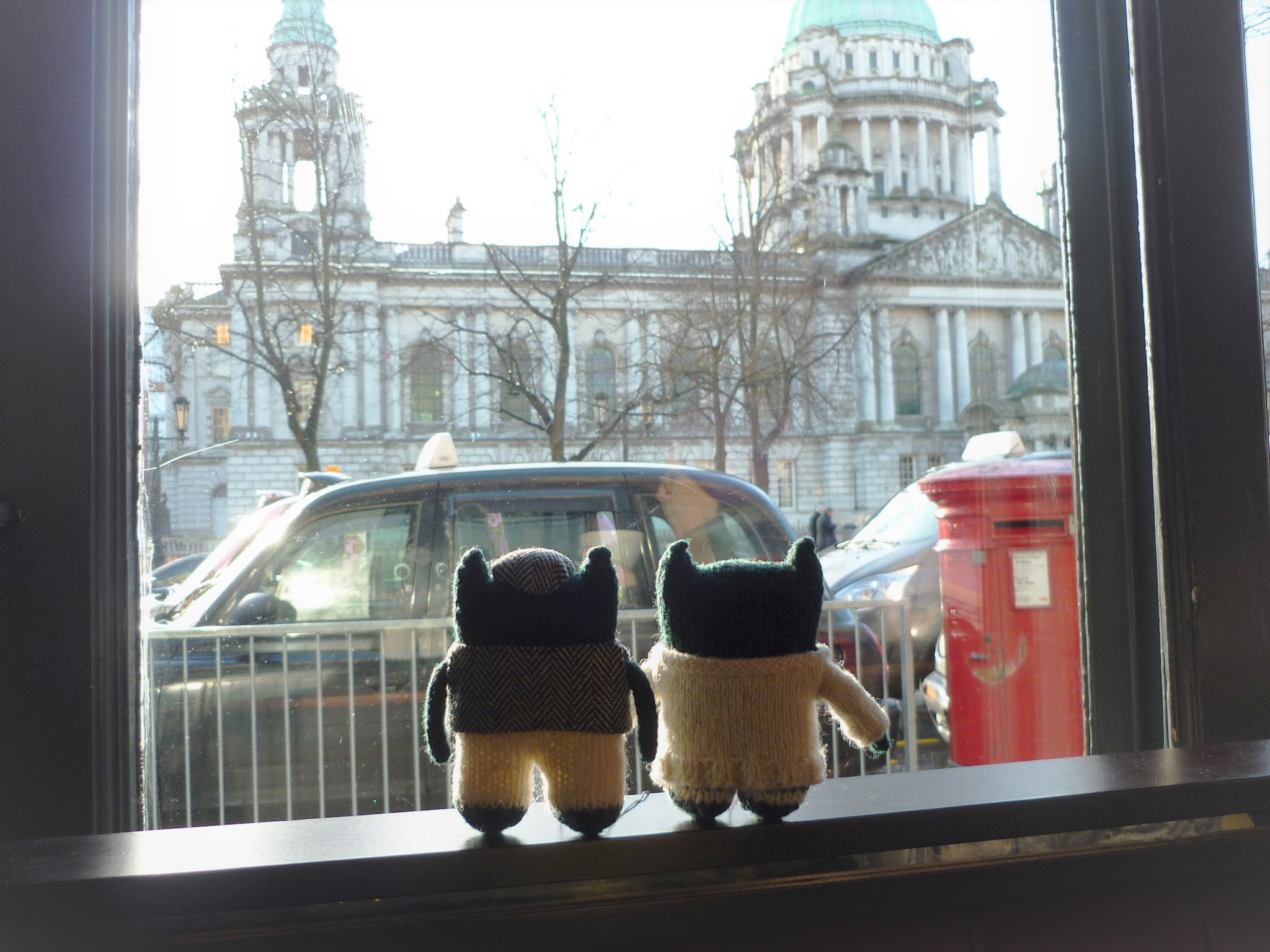 They found a nice spot where they could look out at the City Hall, and watch the black taxis scoot by.
Then, suitably caffeinated, they continued on their journey – riding the train to the end of the line at Bangor, where they planned to have a look around Bangor Castle. Plunkett likes a good castle, as we all know. But there was a surprise in store for Paddy as well…
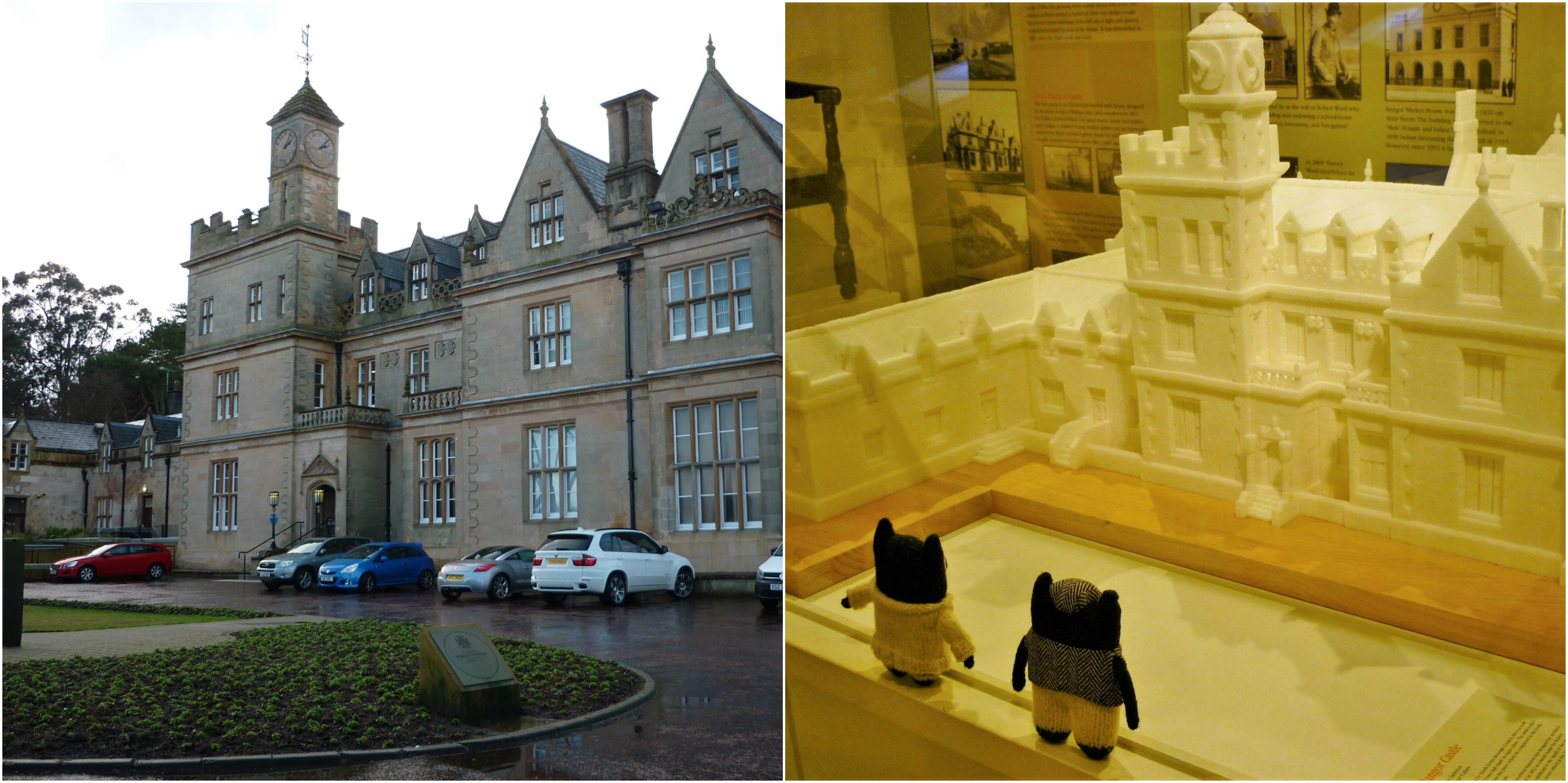
…A miniature version of the castle, built entirely from SUGAR! It’s lucky this was safely locked up in a glass case, or Paddy would have treated us all to his best Godzilla impersonation.
Bangor Castle (the real one!) has been here since 1852. It was built as a private residence for the Ward family, who quite literally used to own half the town of Bangor. When the last surviving member of the family died in the early 1940s, the local council bought Bangor Castle and converted its large “music salon” into a Council Chamber, and the rest of the building into offices. The castle’s courtyard and stables were then redeveloped to house a museum dedicated to the history of the local area, and that’s where the boys are headed!
Bangor has a rich history, which Plunkett can’t wait to read up about. Here he is learning all about St Comgall, who founded nearby Bangor Abbey in the middle of the 6th century AD.
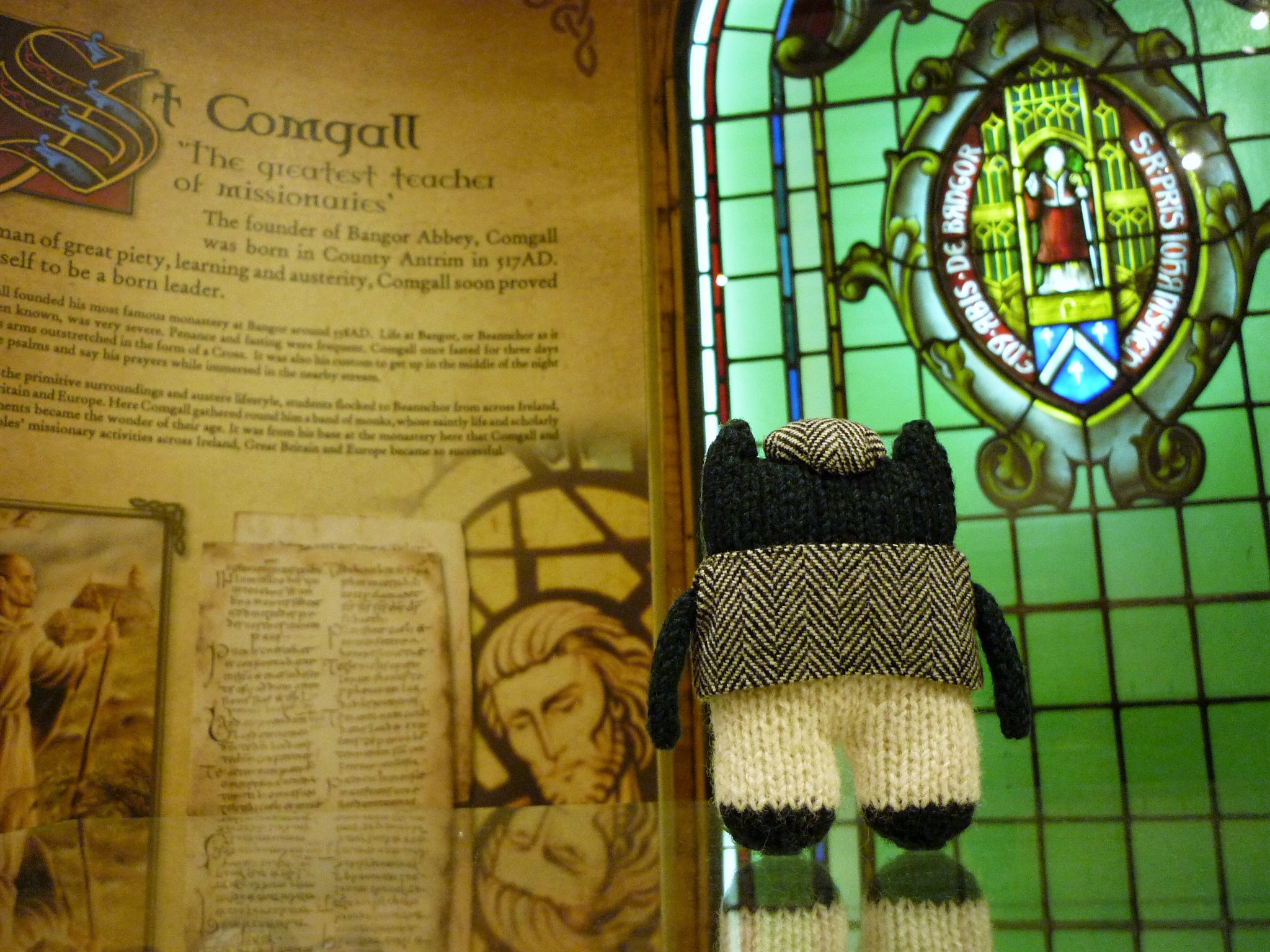
He sounds like a barrel of laughs – according to Wikipedia, under his rule “prayer and fasting were incessant” and when you weren’t fasting, “food was scant and plain”. Despite this, Bangor grew to become one of the most important monastic sites in the Province, second only to Armagh.
Meanwhile, Paddy has skipped ahead, and discovered another miniature – this is how Bangor Abbey might have looked in its early days!

He also found this.
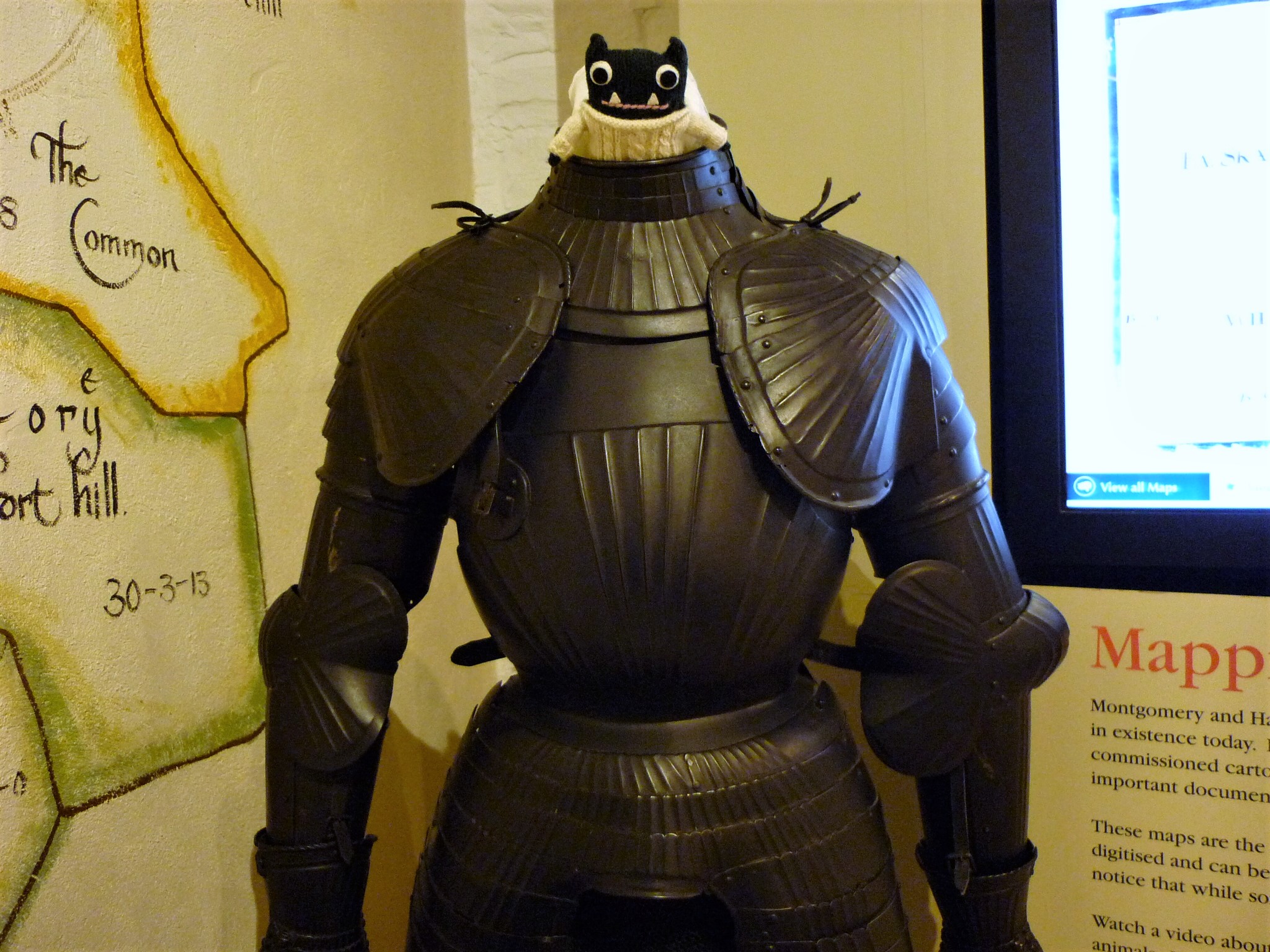 “Plunkett, look! I’m a knight!”
But Plunkett was a bit busy examining this spiffy slate sundial.
 Made in 1630, it’s not just for telling the time! A skilled user (ie, not me) could use it to get information about the tides as well.
The lads did eventually reconvene, and took a quick breather on a beautiful wooden chair…
 …Before heading outside to investigate this interesting hut, a reconstructed monk’s cell! It actually looks quite cosy, don’t you think?
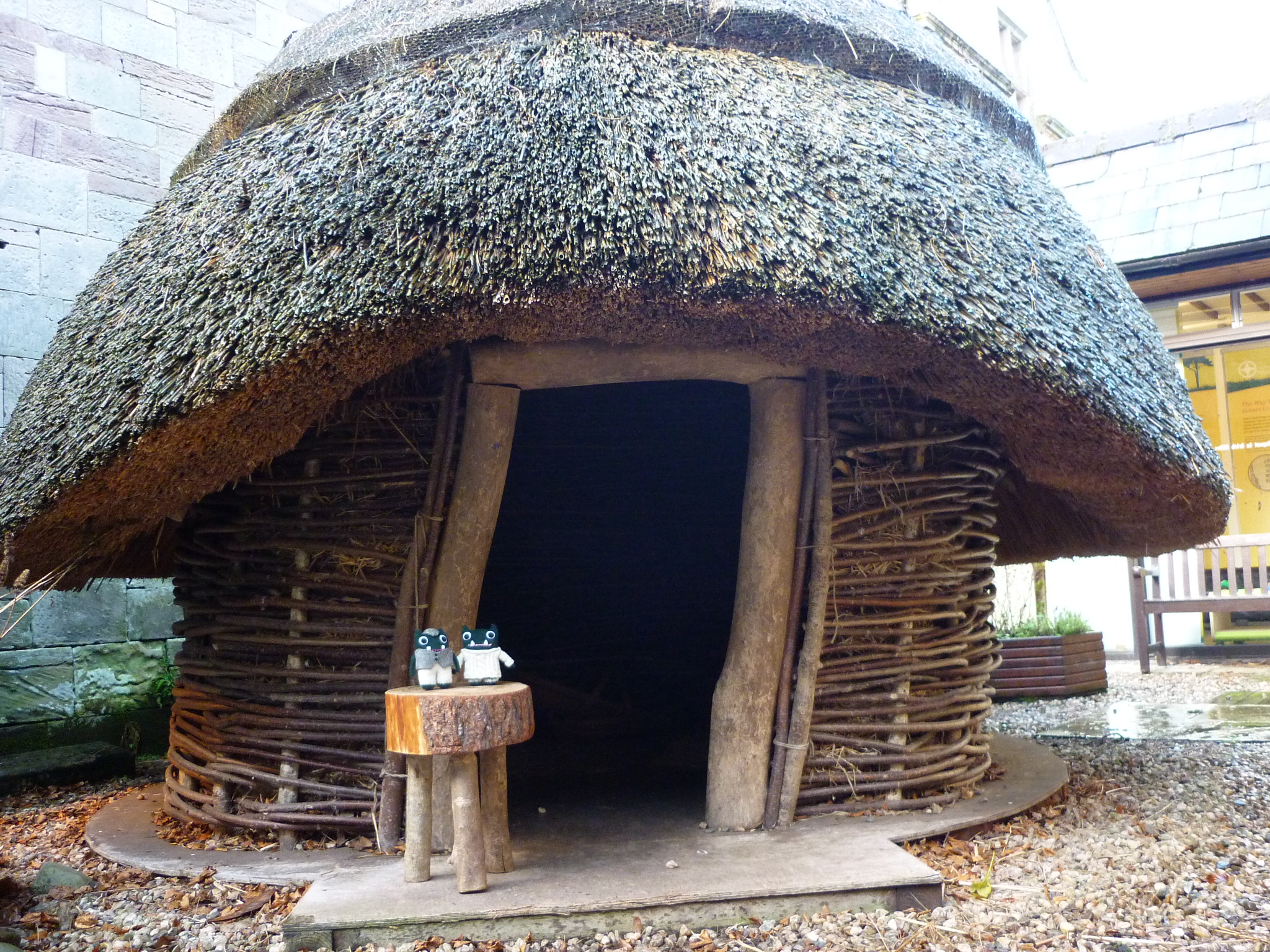 Although perhaps a door might be a welcome addition. Then, Paddy spotted something…
 “Plunkett, don’t we have boats like this at home?”
“We do, Paddy! It’s an Irish river curragh, and it was made by one of our human minders. Look, you can even see him at work in the photos on the information board!”
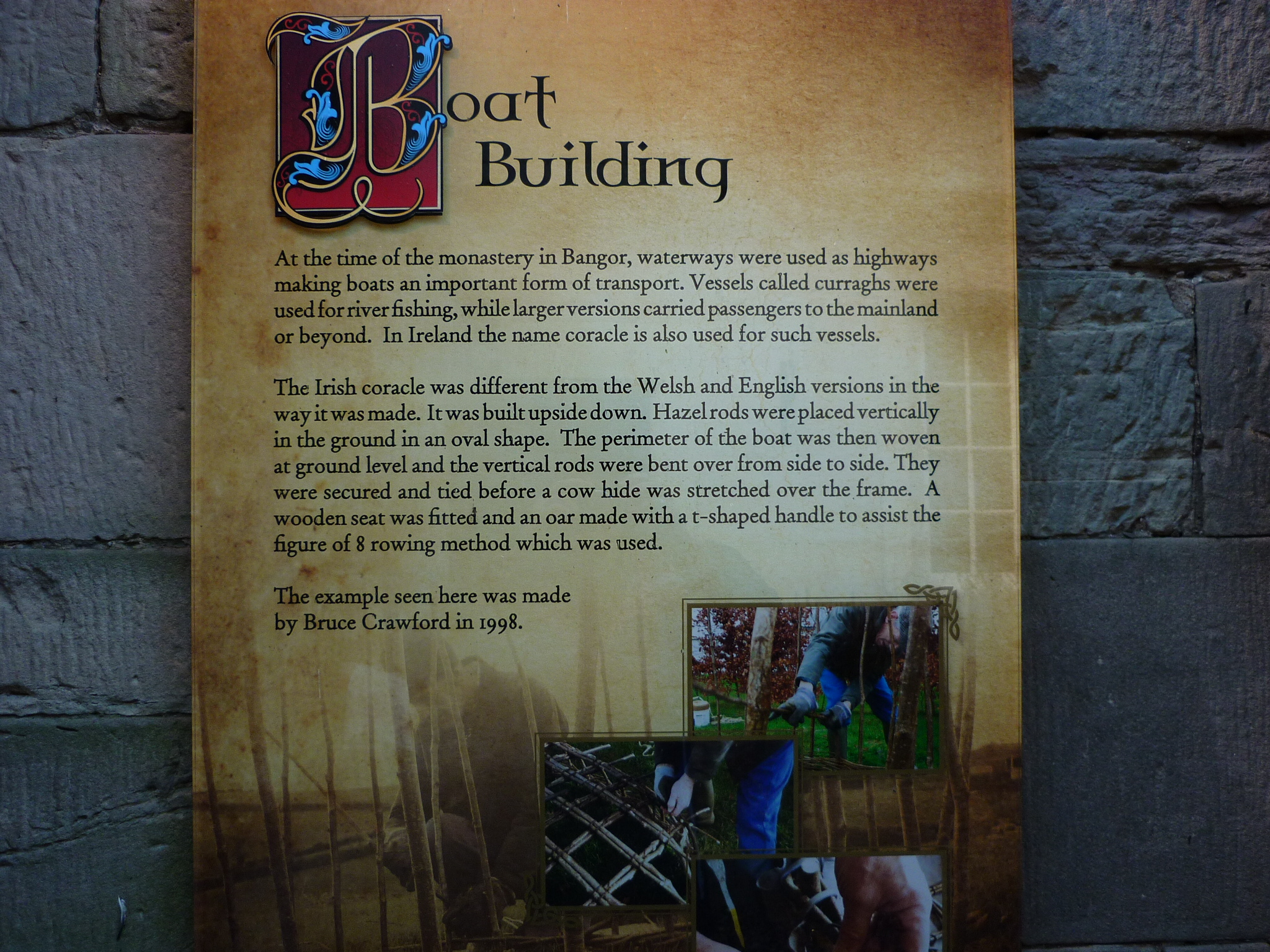 That revelation left Paddy wondering if this made him a celebrity, while Plunkett pondered the possibility that someday, someone might let him live in a museum. Deep in thought, they wandered back inside… Where they almost missed the Bangor Bell!
 This bell is made of bronze, and dates back to the 9th century, when it was most likely used to summon monks to prayer. But it’s had an interesting life! The bell was apparently unearthed by gravediggers working in the Abbey churchyard in about 1780, leading people to think that it might have been buried there to hide it from marauding Vikings. It was a savvy move, since Bangor was plundered by the Norsemen at least once around this time – that’s the downside of building your Abbey with a sea view, I guess.
Speaking of sea views, there were plenty of those to be had from the train on the way home!

The boys also got a good look at another notable local pair, thanks to a little help from a fellow traveller!

The two massive cranes at the Harland and Wolff shipyard greet you as you head into Belfast from the east, and they’re probably the city’s most recognisable landmarks… their size and colour make them pretty hard to miss! Although they’re only relatively recent additions to a place that’s been home to humans since the Bronze Age, they’re now well and truly part of the skyline – so much so that they even have names! Goliath is the older of the two, and at a mere 96m (that’s 315 feet) tall, he’s a bit smaller than his “little” brother, 106m tall Samson.
“Hey Plunkett, next time we’re here, we should TOTALLY climb those!”
“Um… We’ll see, Paddy. We’ll see.”
Sounds like Paddy might be waiting a while for that daytrip. Please feel free to distract him by sharing your own recent adventures (preferably at ground level) in the comments!
And thanks so much to all of you who joined us for the first Friday Social last week! We’ll be back in a couple of days for another one… Catch you there!















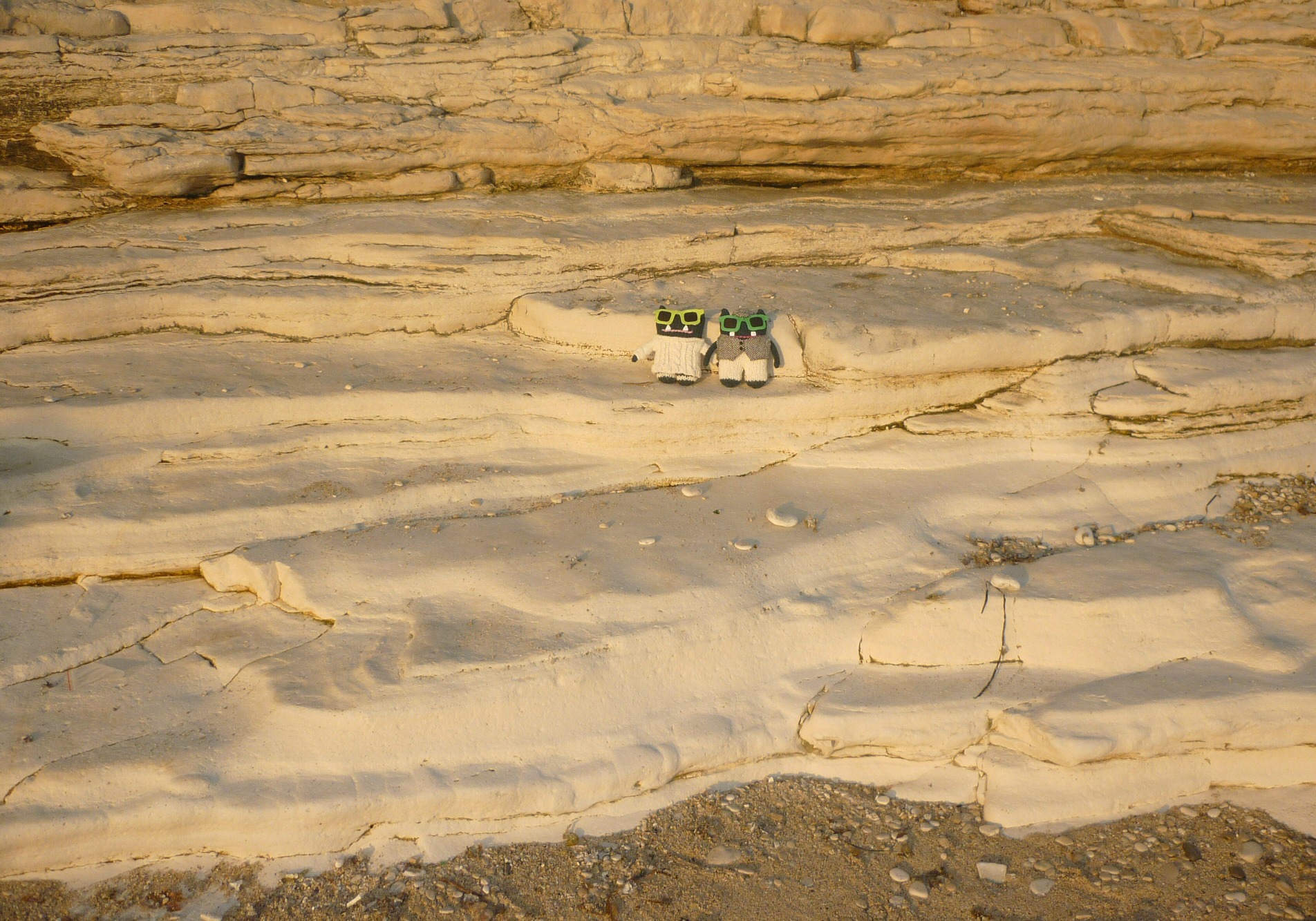


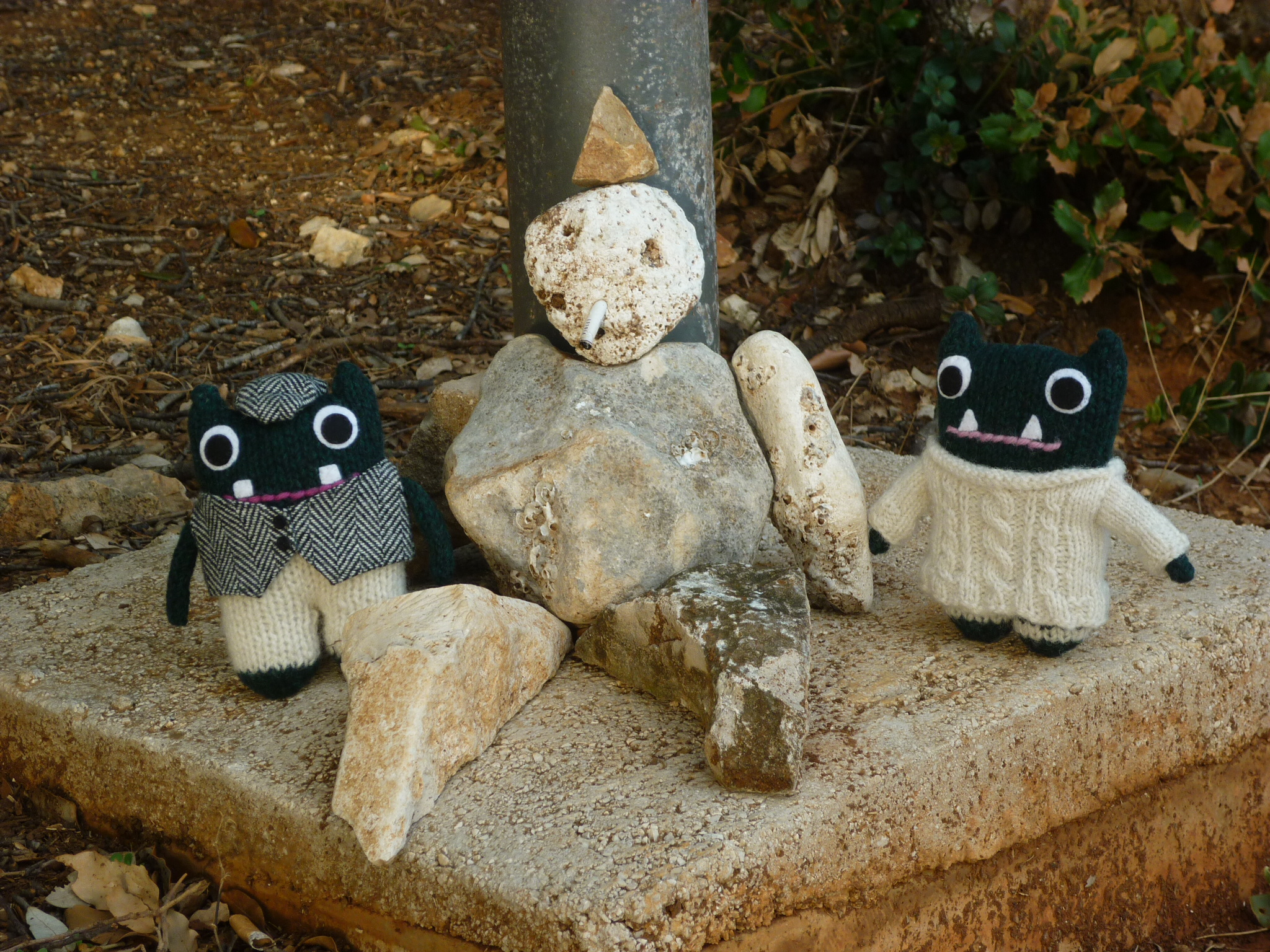
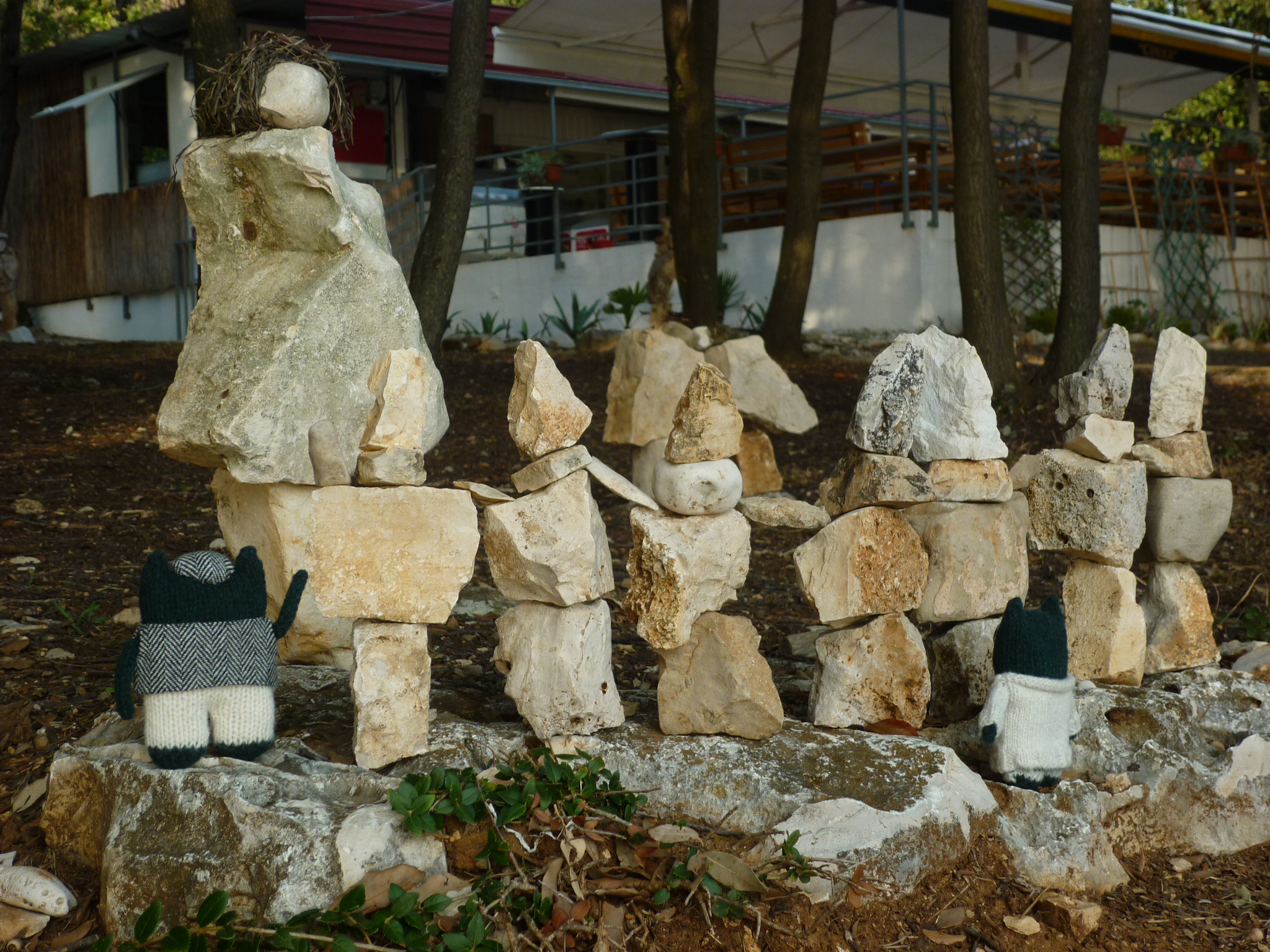

 However, debate continues to rage about who or what might be represented here…


 What’s the hurry? Well, we had plans to eat in
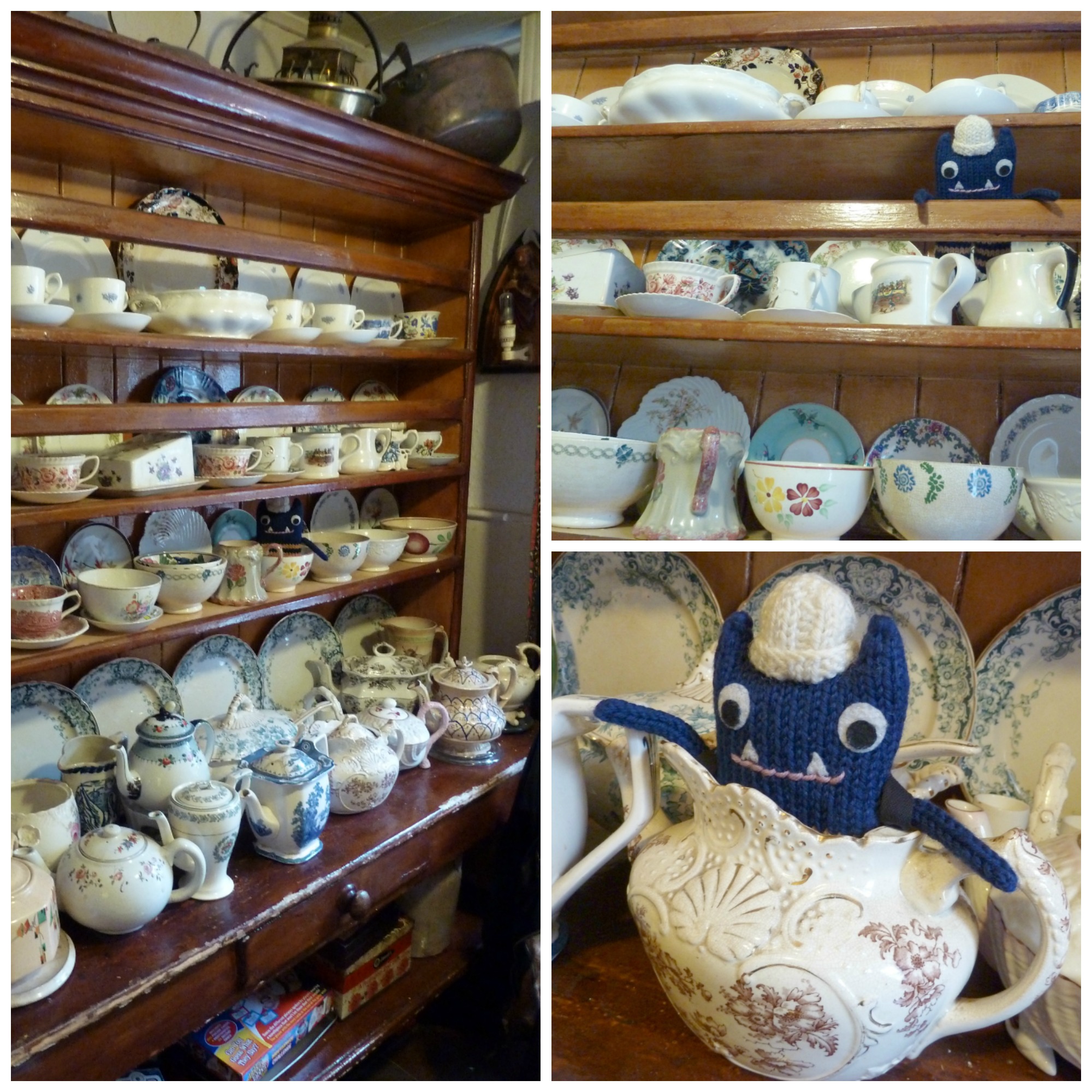
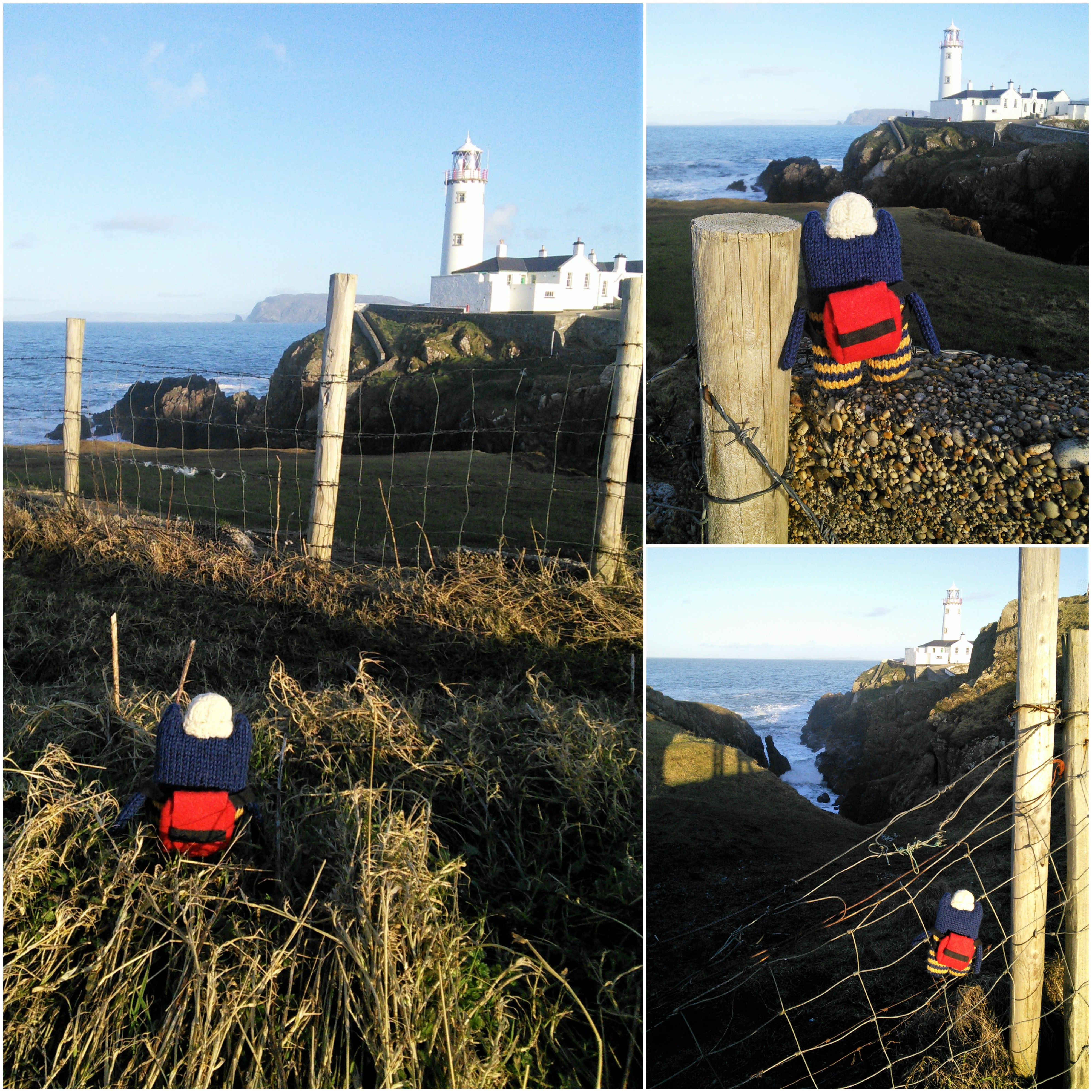
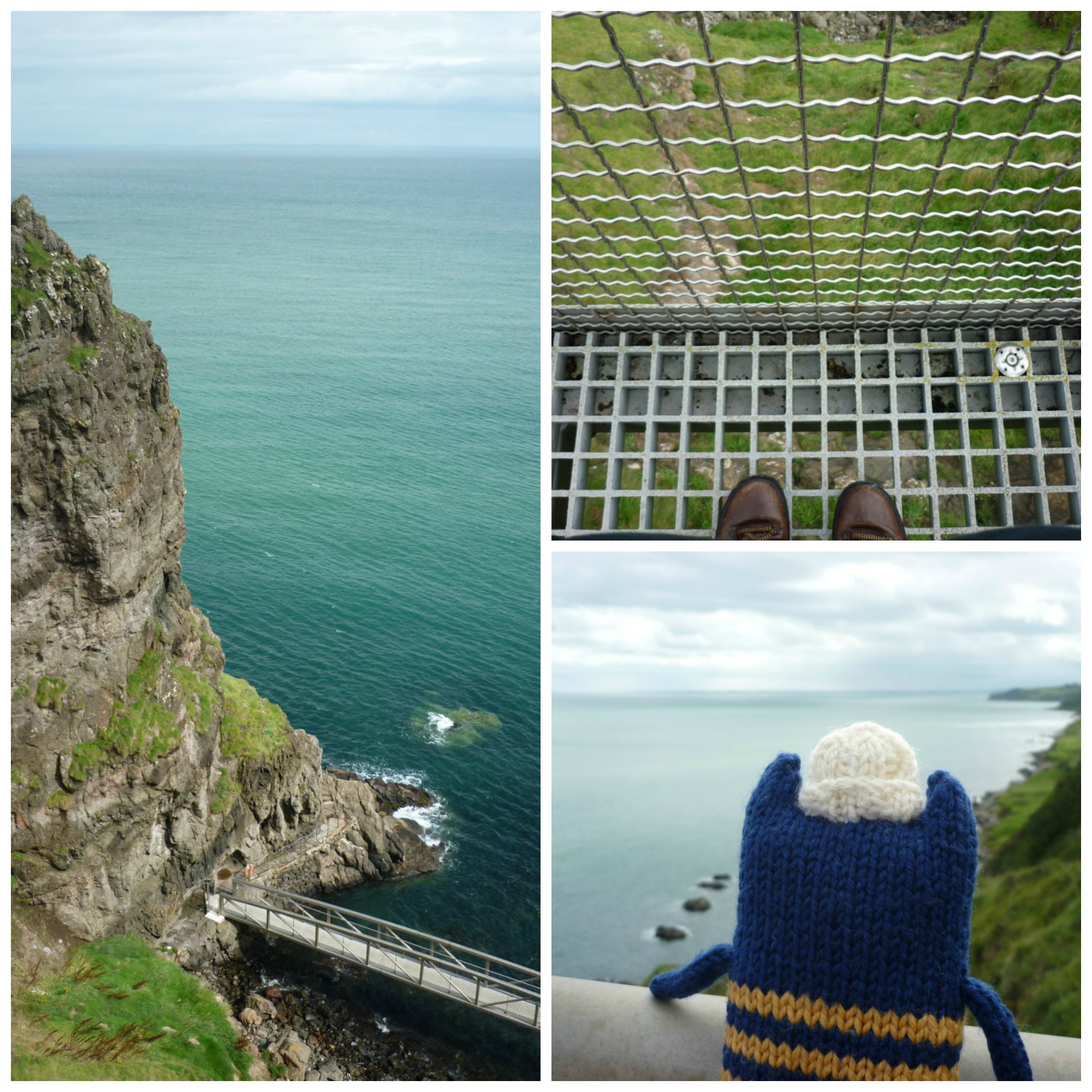
 Although I was sorely tempted to hide away in Nancy’s for the rest of the day, and sample some more of their delicious house cider, Explorer Beastie reminded me that we had planned to see more than just the inside of a pub. We also had others to consider – we were tagging along with my brother and Alfie the wonder dog, and at least one of them was due for walkies! So we headed off in the direction of Glencolmcille, to enjoy the cliff walk just outside the village and see some spectacular views.

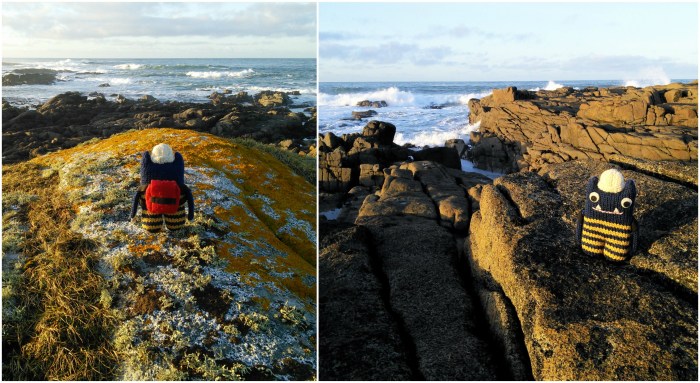
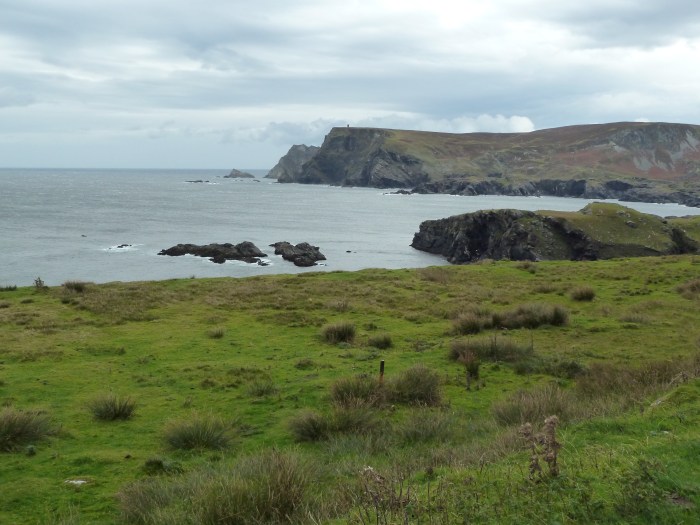 It was still pretty blustery here though – as you can see! Poor Explorer Beastie was literally bent over backwards by the stiff sea breeze, and nearly lost his backpack to a particularly strong gust!


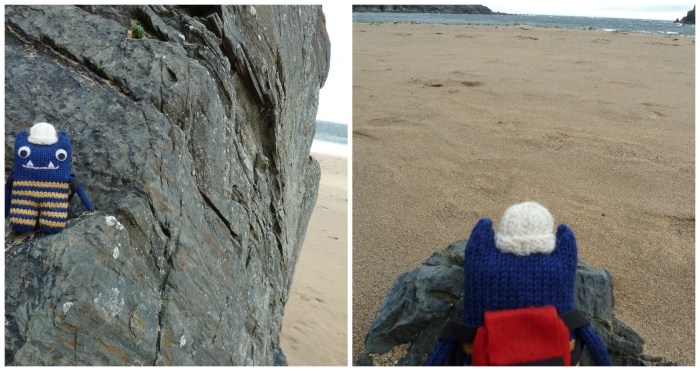 … And this pastime seems to be something he shares with his woolly cousins. How did they get up there?

 … And with one last look back…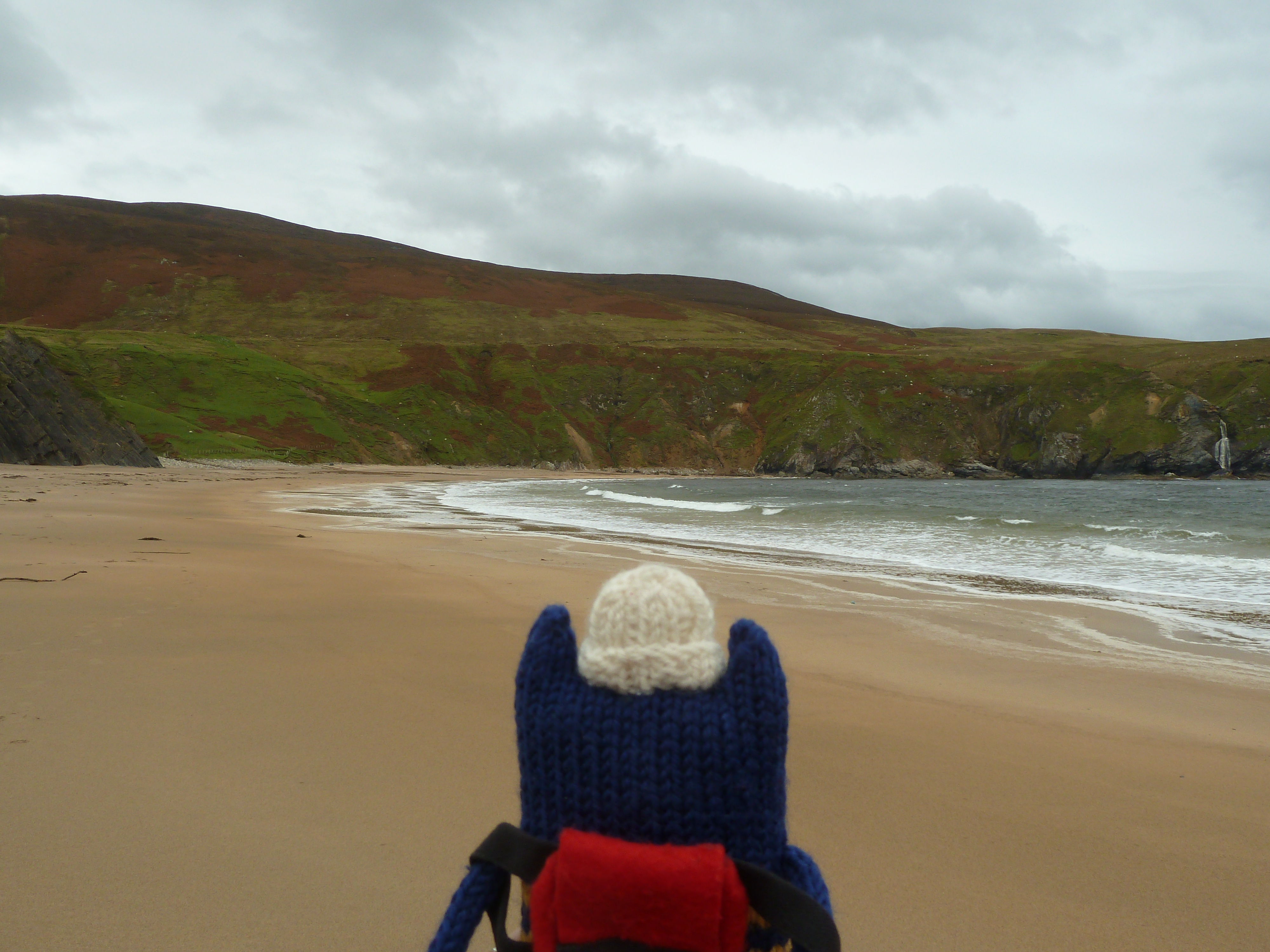


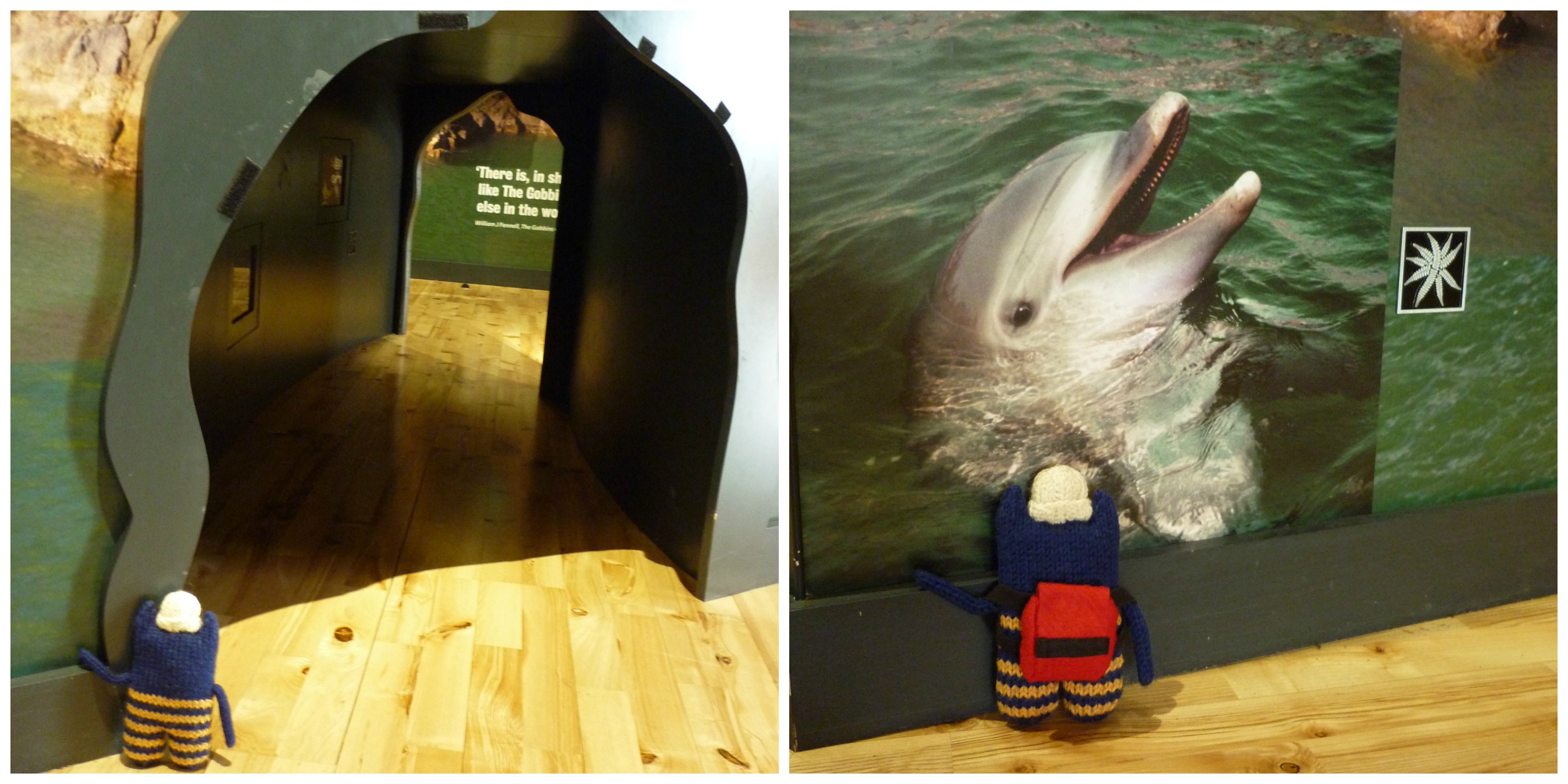
 Good spooky picture, too! So, it wasn’t long before Explorer Beastie was back to his usual carefree self.



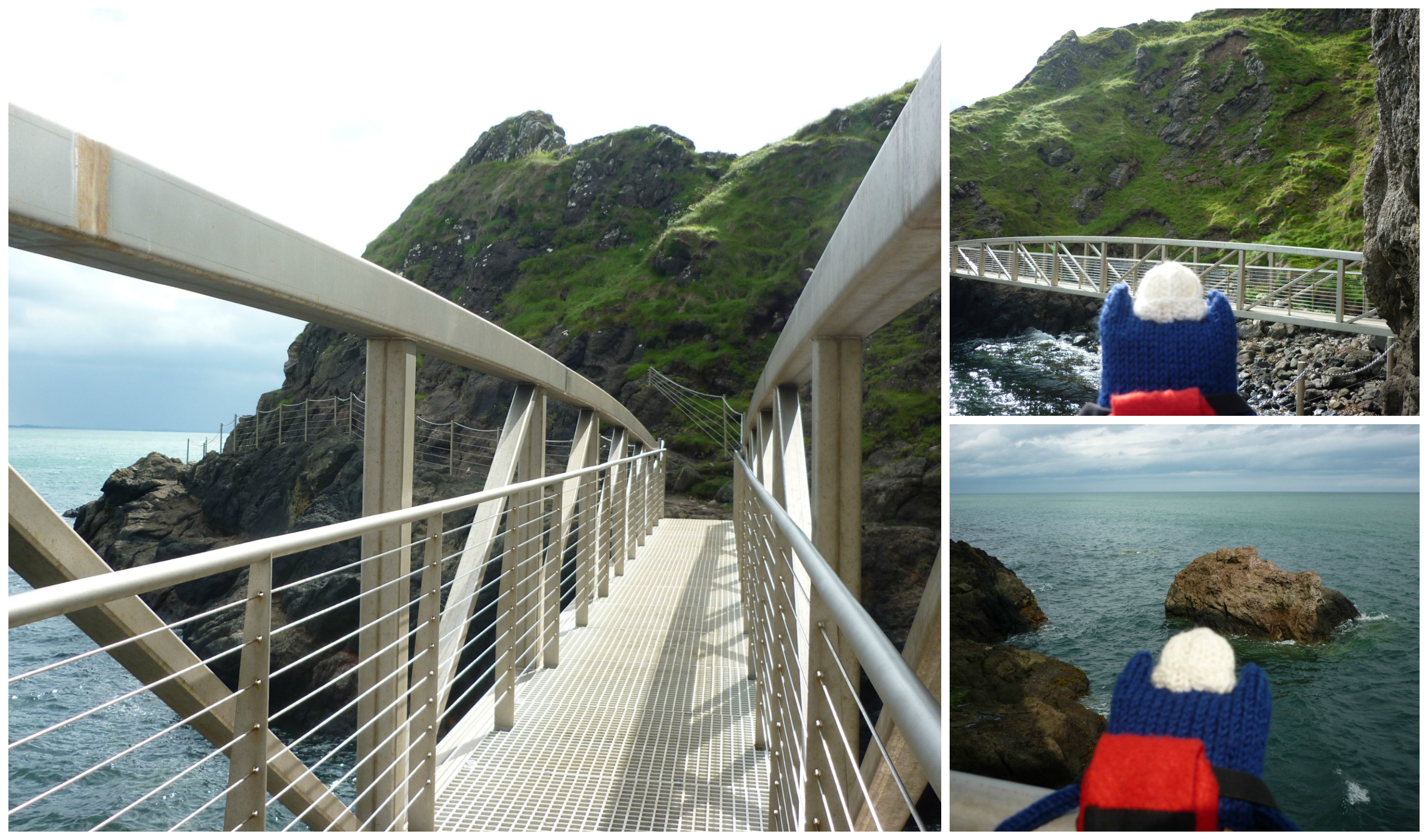
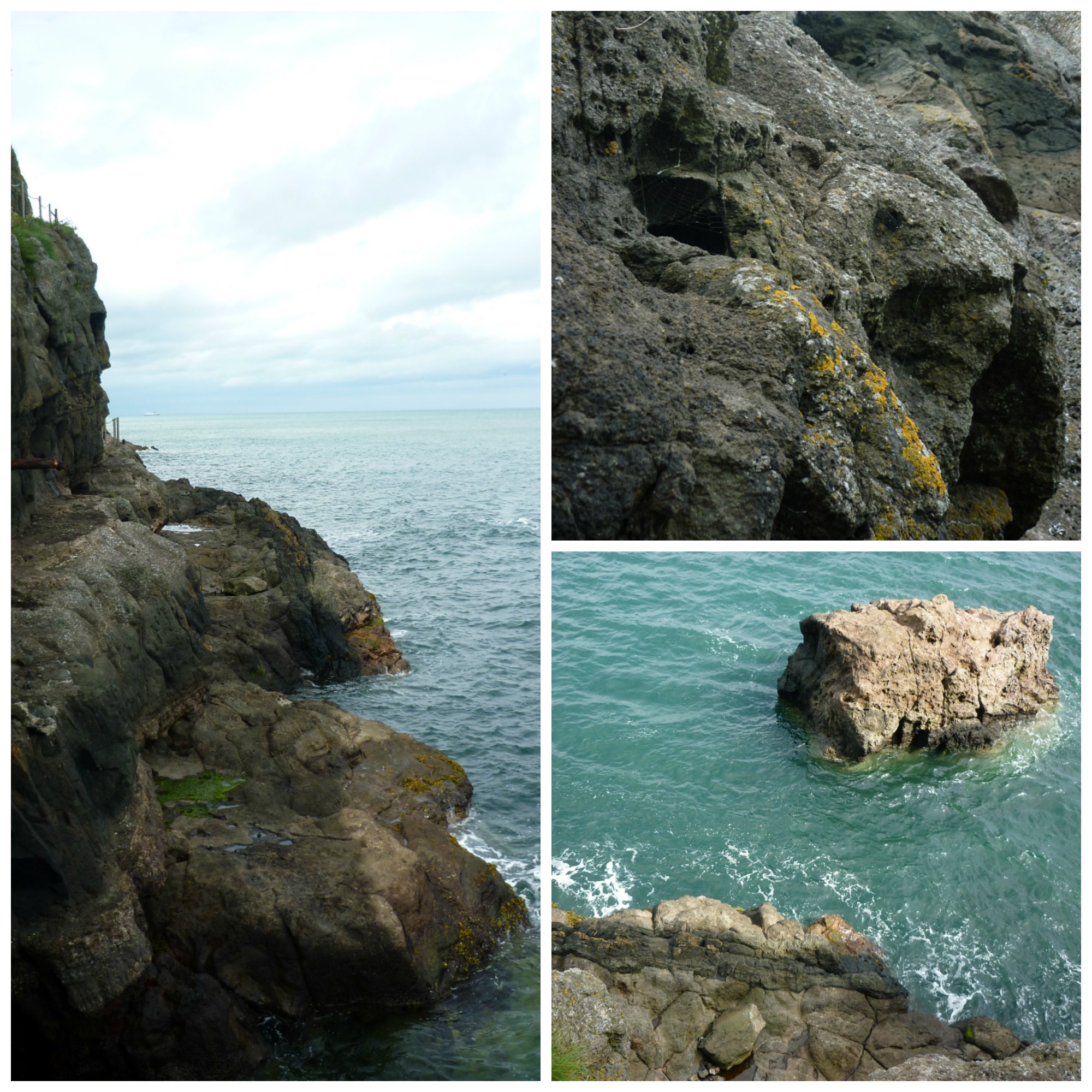
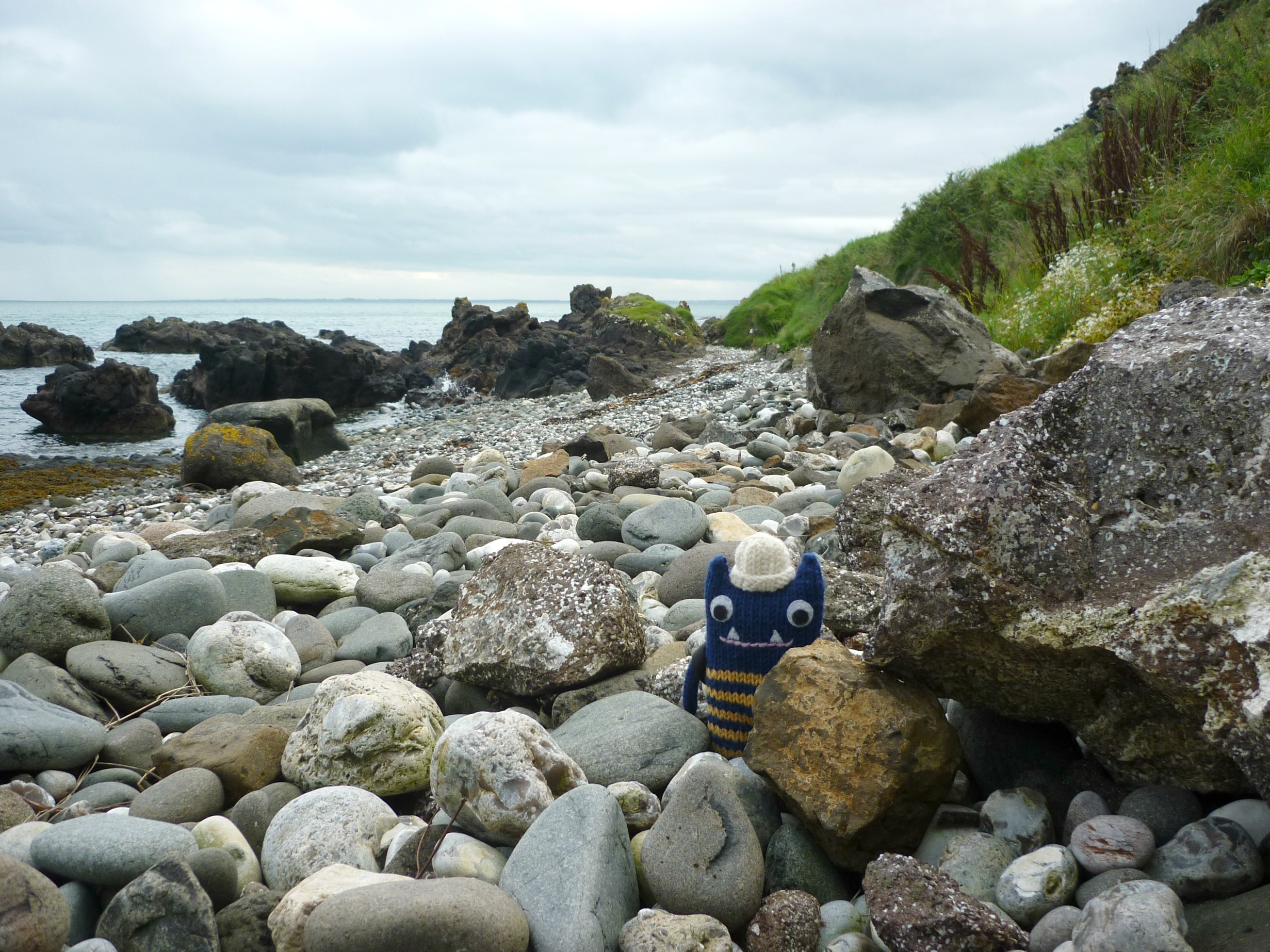
 And what’s Explorer Beastie looking at so intensely in the second picture? Well, he’s trying to find Gobbinsite, a mineral that was discovered right here in this very area. Deposits have subsquently popped up all over the globe, but it still retains the name of the place where it was seen first. What someone should probably tell Explorer Beastie is that Gobbinsite is one of a group of minerals that all look very similar, and can only be differentiated by looking at the crystals under a microscope… But the promise of poking around some Beastie-sized caves should probably distract him nicely from that small technicality!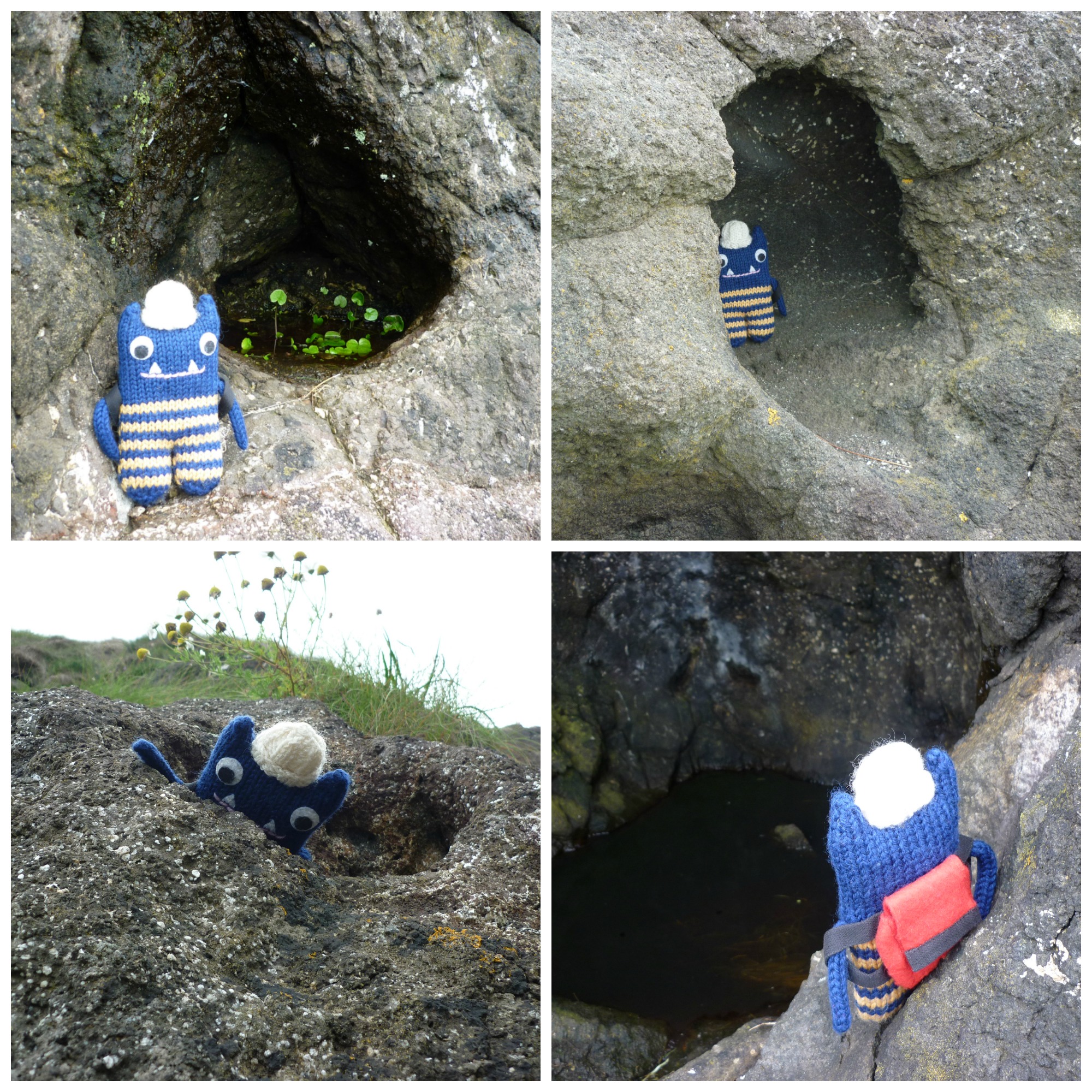
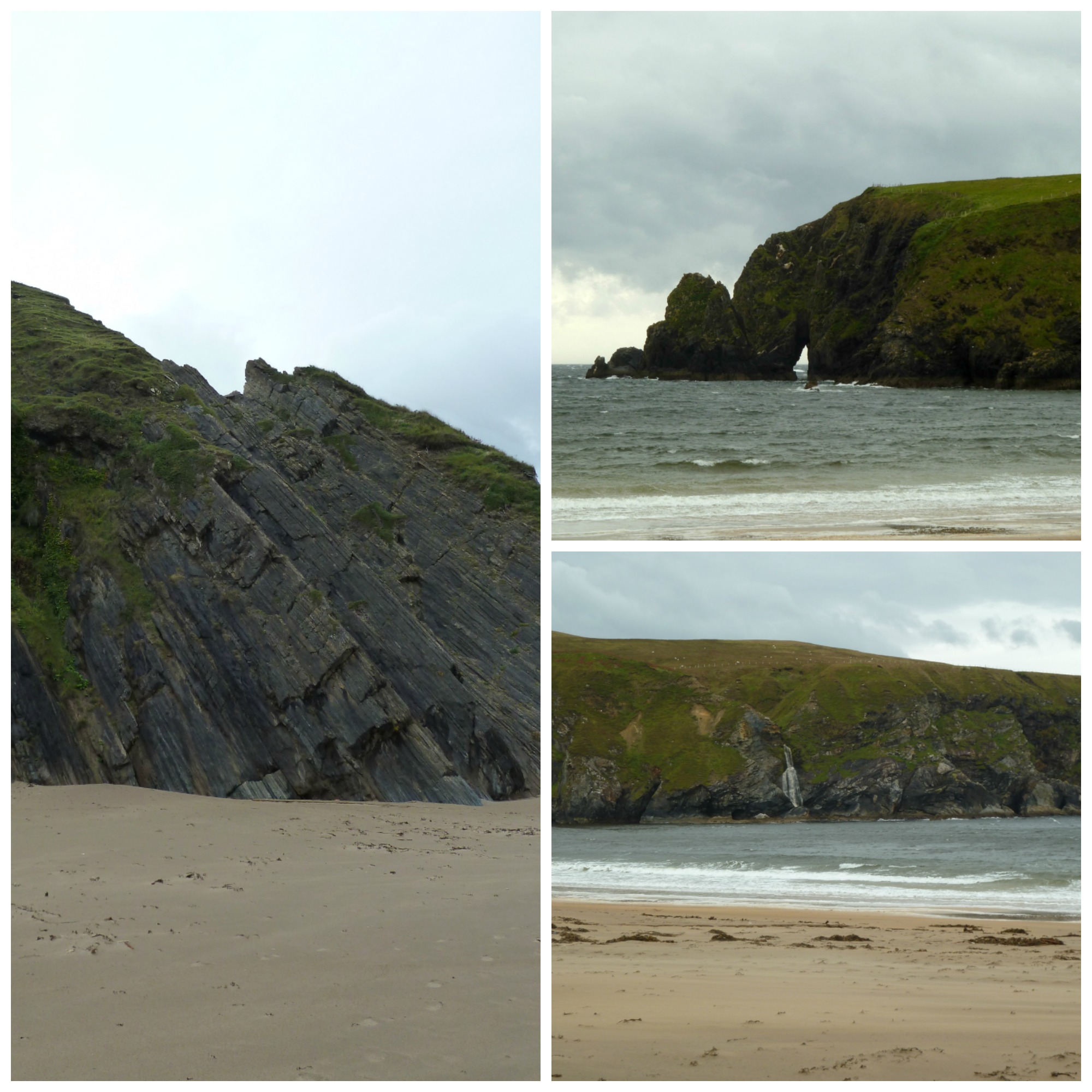
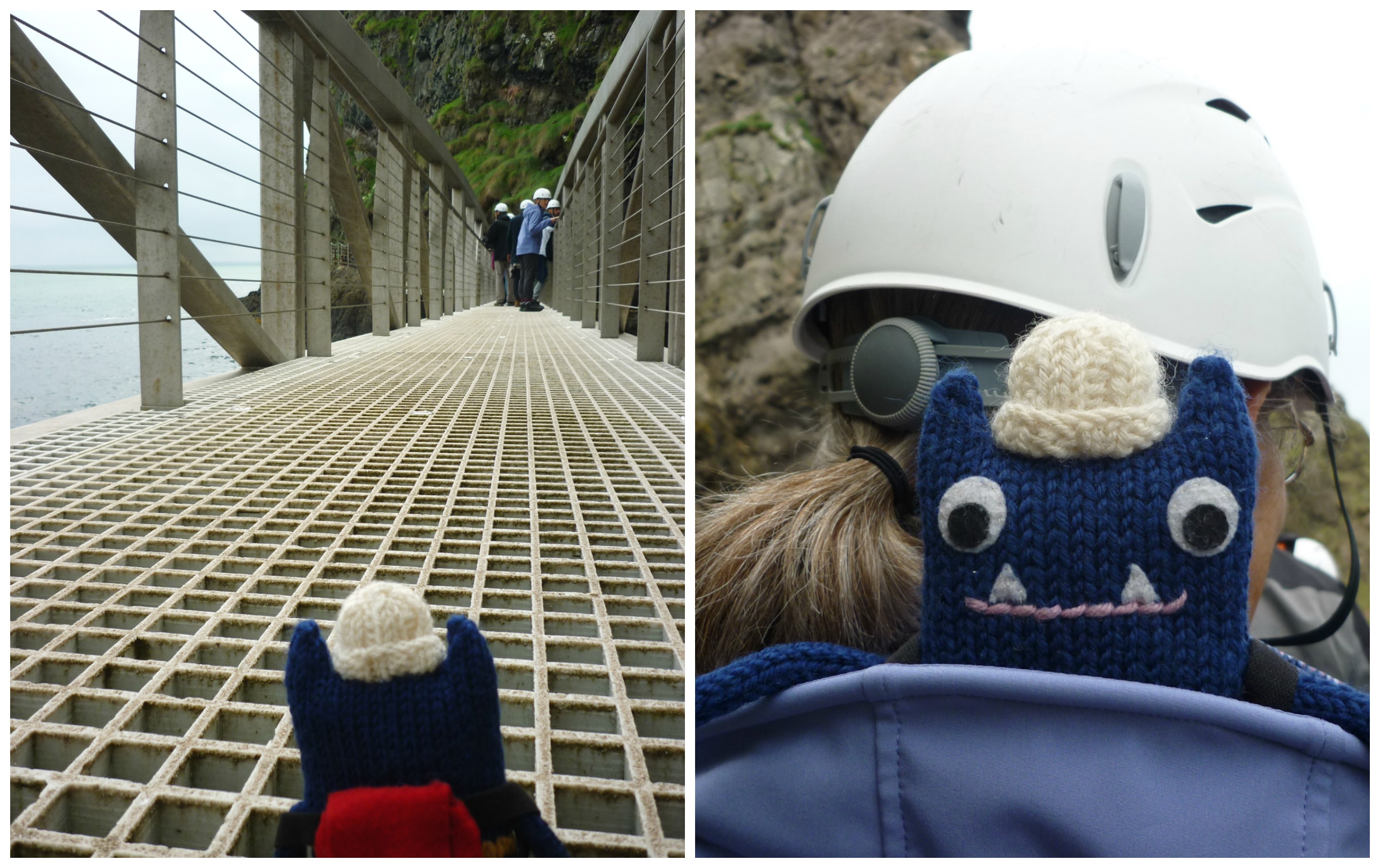
 In the picture on the top right, you can also see the remains of part of the old path, which hugged the cliff line much more closely than the current one. But the most striking part of the walk is just around the next corner – the impressive Tubular Bridge!






 See you again soon, lads!

 Well, not exactly. A fen is an area of marshy ground, and they’re pretty prone to flooding. While many of the fens in this super-flat part of eastern England were drained to create extra farmland in the 17th century, in the Bronze Age these places would have been tricky enough to navigate. Too wet to walk, too shallow for a boat… GAAAAAAAH! What to do?
 … And what Plunkett is looking at in the first photo is only a fraction of what is actually there. The whole causeway is more than a kilometre long, and the platform is the size of Wembley Stadium!
 These bronze finds – mostly weapons – intriguingly show signs of having been deliberately damaged, and their positioning in the silty ground suggests that they were intentionally dropped there, rather than carelessly chucked away because they were broken. This implies that the causeway was a place of ritual significance, as well as (possibly) being a handy way of getting across Flag Fen!
 Meanwhile, Paddy was trying on some wooden beakers for size… Because, well, that’s what Paddy does.
 The lads also rested their weary paws on this rather spectacular chair – we think it might be made of bog oak, preserved timber that has been coloured and hardened by years of sitting in the acidic water of the marshes!
 Unfortunately, Paddy had less success with this replica dugout canoe…
 “Row faster, Plunkett! It feels like we’re not moving at all!
 It’s really been quite a trip!

 According to Plunkett’s research, this cathedral is more than 900 years old (construction started in 1096) and boasts the second tallest spire in England – a fitting landmark for a city that, in the 11th century, was second only to London in size and importance. Shall we wander over for a closer look?
 Talk about making an entrance! This is one of two gates into the cathedral grounds. It’s called St Ethelbert’s Gate, and it actually used to contain a chapel to its namesake in its second storey. And although it looks like the real deal, this isn’t the original gate! It’s a 14th century rebuild, after the first one was destroyed in the riot of 1272.
 However, like many visitors, they weren’t able to agree on the new stained glass windows. They were designed by English abstract artist John McLean, and were installed on the north aisle in 2014. Apparently they’ve been causing controversy ever since!
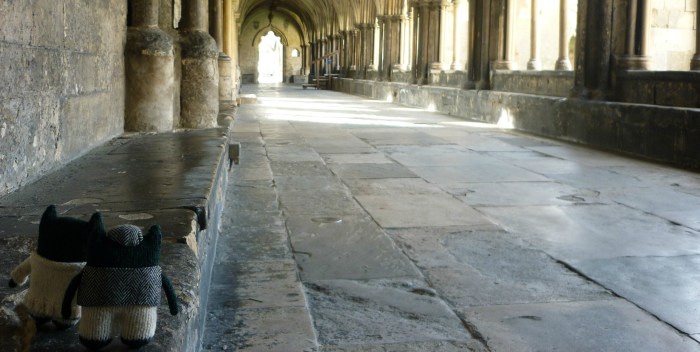
 Paddy loves the rich colours, and the way the bright light bounces around this corridor, which he thought would be pretty dark and boring otherwise. On the other hand, Plunkett really would have preferred to see something more traditional, and in keeping with the rest of the building. Whose side are you on?
 Although there’s little concrete information about her life, Julian of Norwich is still considered an important mystic and theologian. Her account of her religious visions, “Revelations of Divine Love” is thought to be the first book written in English by a female author! She lived out her days in a small cell in a church on this site, and her only contact with the outside world was through two small windows – one into the church, and the other looking onto St Julian’s Alley outside. Members of the public could pass by and ask Mother Julian for advice, and I think it’s fair to presume that she was called upon to settle a few disagreements in her time!
 Fortunately, this beautiful Art Nouveau arcade has enough architectural interest to keep Plunkett entertained too!
 “Not just any old stone wall, my friends! A stone wall made with the hard-wearing local flint! Beautiful! Incredible!”
 I reckon there’s room in all that fancy stonework for a Beastie-shaped addition – what do you think?